To identify the top food destinations to watch in 2026, we cross-referenced the selections of two leading Anglo-Saxon media outlets: Eater, which publishes its annual list of cities and regions worth travelling to for food, and Condé Nast Traveler, which dedicated its own list to the year's greatest culinary scenes. From Gaziantep to Seville, via Milan and Crete, here are four destinations to explore with a serious appetite.
Gaziantep (Turkey)
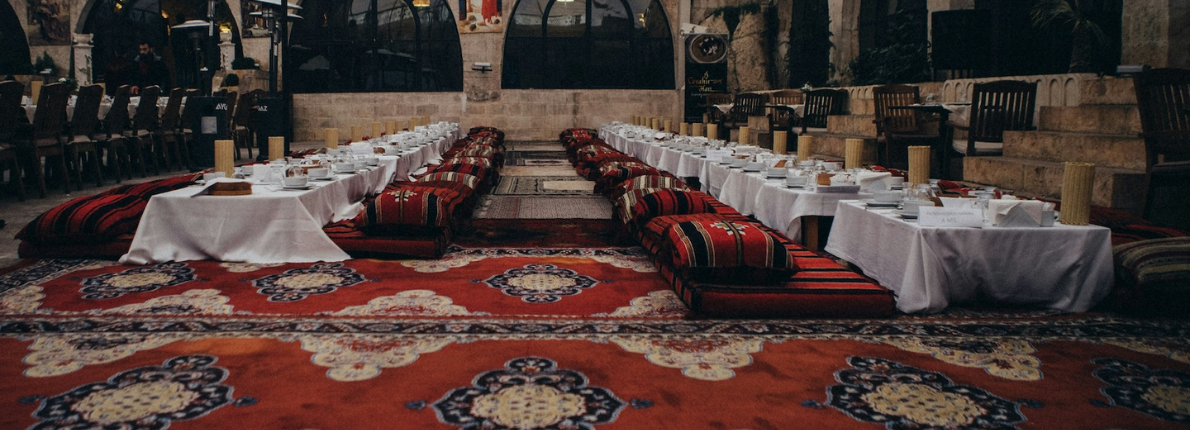
Turkey has more to offer than Istanbul… Sitting on the symbolic border between Anatolia and the Arab world, Gaziantep is truly worth the trip. Here, pistachio is not a mere ingredient but a local obsession, shining through in baklavas, katmer (flaky pastries) filled with kaymak (thick clotted cream), and other layered sweets.
Kebabs come out of wood-fired ovens, ali nazik blends smoky aubergine with lamb, and menengiç coffee, brewed from wild pistachio, is still served in historic venues such as Tahmis Kahvesi. Worth mentioning too are the Elmacı Bazaar and the GastroAntep festival.
Not to be missed: İmam Çağdaş, a family institution founded in the 19th century and the definitive reference for kebabs, lahmacun, ali nazik and baklavas.
Milan (Italy)
Long overshadowed, on the culinary front, by its status as an economic capital and fashion city, Milan has now established itself as one of the country's most dynamic food scenes. At Trippa, Diego Rossi has already turned the modern trattoria into a manifesto, built around offal, pasta with concentrated jus and razor-sharp popular cooking.
Around him, a generation shaped by time abroad or in Italy's great kitchens is blurring the lines: Spore explores fermentation, Mater Bistrot dares a strawberry and miso-parmigiano sauce, while Gabriele Bonci's pizza al taglio and the creations at Confine are a reminder that pizza can still be a vehicle for authorship.
Crete (Greece)
Named "European Region of Gastronomy 2026", Crete did not need the wellness tourism wave to champion a cuisine built on produce, olive oil, wild herbs and generous tables. On this vast island, foraging is practically a local sport: askolimbi, vlita, wild asparagus in spring, mushrooms and black truffles in the mountain forests come autumn.
Each area has its own obsessions: sfakianopita with honey and mizithra (a thin fresh-cheese flatbread), bougatsa in Rethymno (a sweet cream pastry), smoked apaki in Heraklion (marinated then smoked pork), potatoes and tomatoes from the Lasithi Plateau… Theodosi channels a more creative side of Crete, as do Thigaterra and Apiri Greek Eatery. And everywhere, dakos — barley bread, tomato, mizithra, oregano and olive oil — is a reminder that the island also excels at the simplest things.
Seville (Spain)
The city known as the "Pearl of Andalusia" may carry centuries of Roman, Arab, Jewish and Christian heritage in its kitchens, but its gastronomy is best understood at the bar counter, in its markets and around long, lingering shared tables. The markets of Calle Feria, Triana and La Encarnación set the tone: hanging hams, fish, olives, fried food and sherry (Andalusia's fortified wine) never far away.
On the classics front, the historic taverns remain unmissable, from Casa Morales to Bodeguita Romero, Casa Moreno and El Rinconcillo, open since 1670, where the bill is still chalked up on the counter. Expect montaditos de pringá (small sandwiches filled with slow-cooked meat), spinach with chickpeas (a great Sevillian staple), and pavía de bacalao (salt cod fritters)…
But Seville is not only living in the past: Sr. Cangrejo, Leartá, Cañabota, Barra Baja, Sobretablas and La Casa del Tigre showcase a freer scene, rooted in Andalusian produce, fire, the sea and high-end cooking.